my account
 pay my bill
 help & support
 outages
 contact us
 about us
 our communities
 our team
 energy solutions
 water solutions
 data solutions
 sustainability
 news
news

Loading ...

Water is at the heart of thriving gardens and sustainable communities. In Australia, as more people wonder “how do we save water” amidst drought, high demand, and environmental pressures, Altogether Group’s recycled water systems provide an innovative answer. With the potential to save up to 70% of precious drinking water by using recycled water for outdoor and household needs, Altogether enables lush, resilient landscapes and substantial reductions in potable water usage.
Recycled water lets gardens flourish year-round while saving up to 70% of potable water, keeping our drinking supplies available for critical use.
Recycled water is wastewater that’s been collected, treated, and purified to very high standards, not for drinking, but for a host of non-drinking uses: flushing toilets, washing clothes, watering gardens, and even cleaning cars. Importantly, recycled water should never be used for drinking, cooking, bathing, or filling pools, its role is to provide an environmentally sound alternative for all other suitable tasks.
This approach preserves drinking water supplies during tough droughts and routine daily life, so households, parks, and communities can stay green even when restrictions are in place. For residents in Altogether’s recycled water communities, washing machines, toilets, and garden taps are often supplied via a separate purple pipe system, making sustainable water use simple and seamless.
Yes, but it’s best to avoid watering the edible leaves directly, and always wash produce before eating.
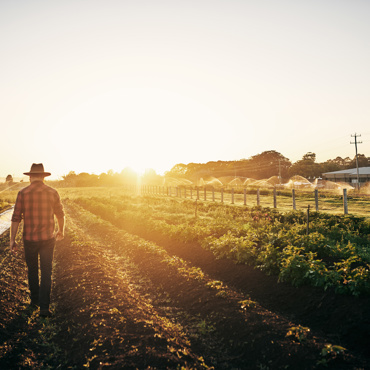
Altogether’s recycled water systems make it easy to irrigate lawns, water vegetable beds, and clean cars using the dedicated “purple tap.” Recycled water is clean, clear, odourless, and perfectly safe for its intended uses, including vegetable gardens. Just remember to always wash produce before consuming and avoid spraying water on the leaves of crops like tomatoes, potatoes, and stone fruits for the best results.
If you’re unsure which tap supplies recycled water, look for clearly marked purple handles or outlets. Never use recycled water for drinking, food preparation, or baths.
Anyone can complement their recycled water use with smart water habits:
Take shorter, more efficient showers with water-saving showerheads.
Only run washing machines and dishwashers when full. Altogether customers can connect their washing machine’s cold water to the recycled system, saving about 20,000 litres of drinking water a year per household.
Regularly check for and fix leaks in taps, toilets, and appliances; a single drip can waste thousands of litres annually.
Mulch garden beds, plant native or drought-tolerant species, and water gardens early or late to reduce evaporation and keep landscapes lush with less effort.
Collect rainwater where possible and re-use cooking water for plants; every drop counts.
If you’re connected to Altogether’s network, most non-drinking uses are covered by recycled water, helping drive systemic change in water sustainability and resilience.
Look for purple pipes or taps; for further advice, contact Altogether’s support team.
Altogether treats recycled water through a rigorous, multi-stage process, ensuring it meets Australian Guidelines for Water Recycling and is meticulously monitored for safety and quality. Washing clothes with recycled water is completely safe, leaves no residue, and in fact, when combined with modern water-efficient appliances, can save both water and money. All new Altogether homes contain a dedicated recycled water tap for the washing machine, and using it is as easy as connecting to the purple outlet and following your appliance instructions.
Yes, it takes less energy to treat and supply recycled water, resulting in lower carbon outputs for communities.
Recycled water transforms landscapes, especially during water restrictions. Where other communities may have brown lawns and dusty parks, Altogether customers often continue to enjoy vibrant gardens and green spaces. This resilience is possible thanks to year-round access to recycled supply, even in times of drought, while maximising the use of every drop for the benefit of all.
Importantly, using recycled water also reduces pressure on public potable supplies, supporting better river flows and environmental outcomes across regions. The water saved can instead be allocated to critical uses, including drinking and firefighting, or released to regenerate local rivers and ecosystems.
Beyond direct water savings, recycled water systems deliver major community benefits:
Potable water savings: Up to 70% in greenfield estates; up to 50% in high-rise communities, preserving potable resources for essential needs.
Achievement of high sustainability ratings: Altogether’s infrastructure helps new developments meet Green Star and BASIX requirements, often eliminating the need for a rainwater tank while remaining cost-effective.
Lower costs and energy use: Efficient recycling reduces total household water bills and slashes carbon emissions compared to traditional water supply and wastewater treatment.
Healthier environments: Less wastewater entering rivers and oceans means cleaner waterways and less pollution; recycled water also supports greater biodiversity in managed landscapes.
By saving potable water and using recycled alternatives, Altogether communities stay green, cool, and healthy even during droughts or water restrictions. This collective action helps allocate more drinking water for vital uses and supports local rivers.
Everyone can save water by fixing leaks, using rainwater, mulching, and sensible appliance use.
A typical recycled water system includes a small underground collection tank on the property that collects household cooking, bathing, and laundry water. This wastewater is pumped to a local facility, purified, then sent back through a dedicated distribution network for non-potable uses, maximising efficiency and ensuring every drop is used to its fullest potential.
Altogether supports over 500 communities nationwide with essential services, including world-class recycled water infrastructure and educational campaigns. Through partnerships with homeowners, local councils, and developers, Altogether is at the forefront of building greener, cooler, and more resilient suburbs that serve as blueprints for Australia’s sustainable future.
If you want to save water, recycled water is your best friend, especially with Altogether’s integrated approach. Simple daily choices, like using the purple tap for gardening and washing, running efficient appliances, and fixing leaks, can deliver substantial savings in costs, water, and energy while supporting environmental goals and keeping your home and landscape green, even in dry times. If you ever have questions, reach out to Altogether or visit online resources for the latest updates and advice.
Learn how your community can live more sustainably. Share tips and "waste hacks".
Check us out here.